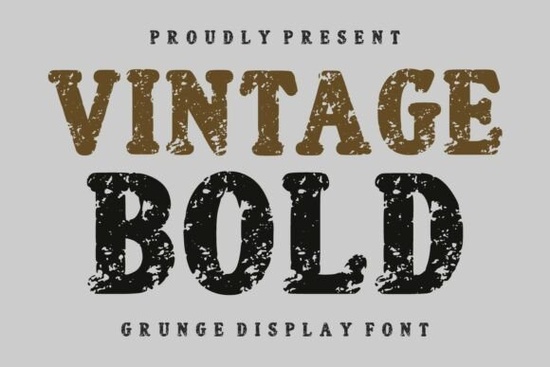
If you're looking for a typeface that brings genuine old-school character to your work, Vintage Bold is worth a close look. It's a distressed grunge display typeface inspired by western signage, aged letterpress printing, and rustic branding. The bold letterforms and weathered texture give it an authentic handcrafted feel that works across both print and digital projects.
What Does a Vintage Bold Font Look Like?
Think of old wanted posters, weathered brewery labels, or faded shop signs from the early 1900s. Vintage Bold captures that look with heavy character shapes and rough, distressed details built right into the letterforms. The texture isn't just decoration it mimics the natural wear of old printing techniques, so the font looks genuinely aged rather than artificially filtered.
At large sizes, every scratch and imperfection becomes part of the design. That makes it a strong choice for headline typography, logo design, and poster layouts where you need the typeface to carry visual weight on its own.
What Projects Is This Font Best Suited For?
The heavy, textured style of this font fits a specific range of projects really well. Here are some of the most common uses:
- Coffee and food packaging rustic labels, bag designs, and menu headers
- Brewery and bar branding tap handles, coasters, bottle labels
- Western and country event graphics festival posters, rodeo flyers, barn wedding invitations
- Outdoor and adventure brands hiking gear labels, camp merchandise, trail maps
- Print-on-demand products t-shirt designs, mug graphics, tote bag artwork
- Social media content bold quote graphics, sale announcements, story headers
If your project calls for a handcrafted, retro, or Americana aesthetic, this typeface fits naturally. It's less suited for body text or small sizes the distressed details work best when the letters have room to breathe.
How Does It Compare to Other Display Fonts?
Display fonts cover a wide range of styles, and choosing the right one depends on the mood you're after. Vintage Bold sits in the grunge and distressed category, but there are plenty of other directions you might go.
For something with a street-art edge, Subway Graffiti brings an urban, hand-sprayed look that works well for youth-oriented designs. If you need variety for different client projects, The Massive Mega Bundle gives you a large collection of display fonts in one package useful when you want options without buying individual files.
Seasonal projects might call for something more specific. Spooky Moon fits Halloween and horror-themed work, while Cute Crayon is better for children's designs and playful branding. For sports-themed projects like jersey graphics or team logos, Jersey Number provides that athletic lettering style.
The point is that no single font does everything. Vintage Bold excels at gritty, western, and handcrafted aesthetics. Knowing when to reach for it and when a different style fits better is what separates good design from great design.
Can You Pair It With Other Typefaces?
Pairing a bold display font with the right secondary typeface makes a big difference. Here are a few combinations that tend to work well:
- Vintage Bold + clean sans-serif use the bold font for headlines and a simple sans-serif like Montserrat or Open Sans for body copy. This contrast keeps the layout readable.
- Vintage Bold + handwritten script a casual script font underneath adds warmth and works nicely for packaging and product tags.
- Vintage Bold + monospaced type the technical feel of a monospace font alongside distressed lettering creates an interesting old-meets-new tension.
As a general rule, limit yourself to two or three typefaces per design. The display font does the heavy lifting, and a quieter font handles supporting text.
Does It Work for Both Print and Digital?
Yes. The font renders well in both environments. For print, it holds up on large-format posters, packaging, and merchandise. The distressed texture reproduces cleanly at typical print resolutions. For digital use, it looks sharp on screens at headline sizes think website banners, social media graphics, and email headers.
Just keep in mind that the rough texture can become muddy at very small sizes on screen. Stick to larger applications where the details have space to read clearly.
Before You Start Your Next Project
Here's a quick checklist to make the most of this font:
- Test it at your actual output size what looks great in your design software might need adjustment in final use
- Check the license make sure the license covers your intended use, whether it's personal projects, commercial products, or print-on-demand
- Pair it intentionally choose a secondary font that complements rather than competes with the bold texture
- Use color wisely muted, earthy tones and dark backgrounds tend to bring out the best in distressed typefaces
- Download the font files and install them before your project deadline last-minute font hunting never ends well
Take a few minutes to preview the font with your own text and see how the letterforms work in your specific context. A quick test run saves a lot of revision time later.
Explore Design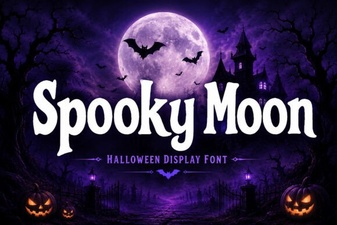 Spooky Moon Font: Creative Gothic Lettering for Halloween Designs
 Beachwave Font – Free Display Font Download | Stylish Wave Typography
 Robot Parts Font for Creative Projects
 Chocolate Candies Font Family for Sweet Creative Projects
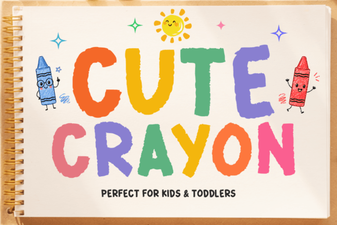 Adorable Crayon Font Designs for Creative School Projects
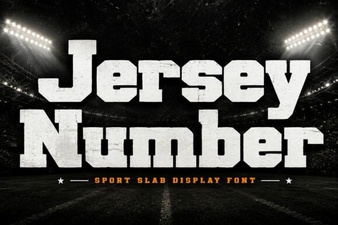 Jersey Number Font - Bold Athletic Display Typeface for Sports Design